


Understanding fussy eating
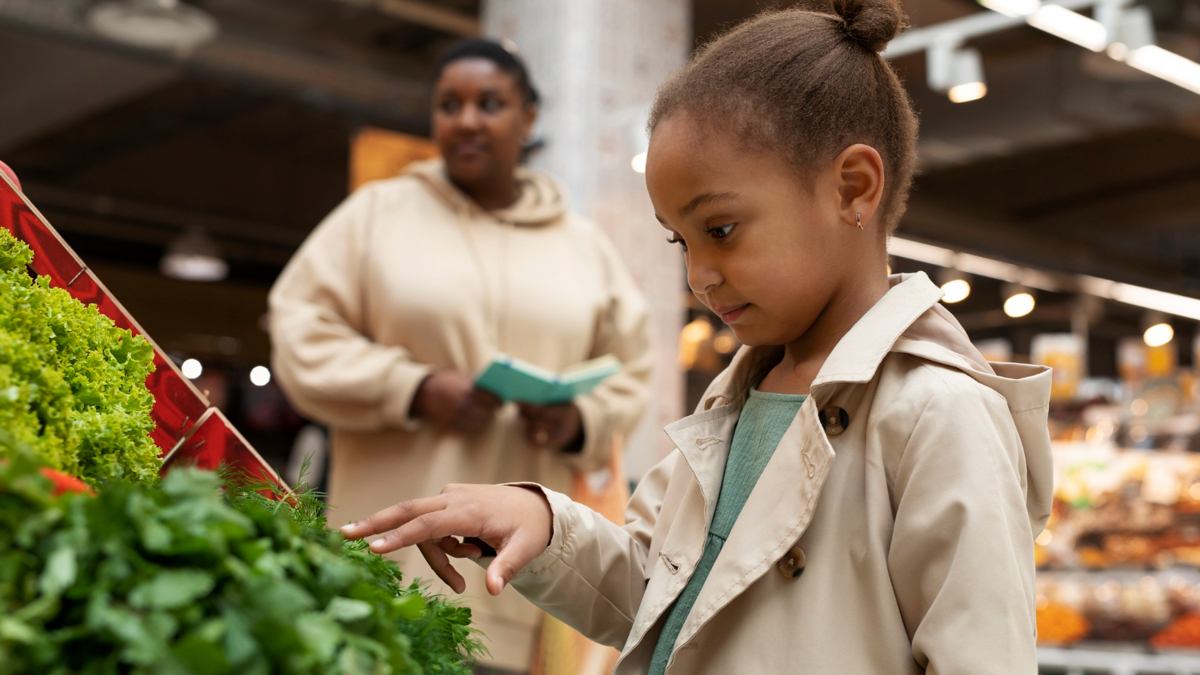
Fussy eating often starts in toddlers who may refuse new foods and even ones they used to like. It's normal for parents and carers to worry if their child isn't eating a wide variety of foods. It is reassuring to know that fussy eating does not usually impact most children’s growth or health. If your child is growing well they are likely to be getting enough of what they need.
Read our information about a healthy and balanced diet and the right portion sizes.
Creating positive mealtime routines
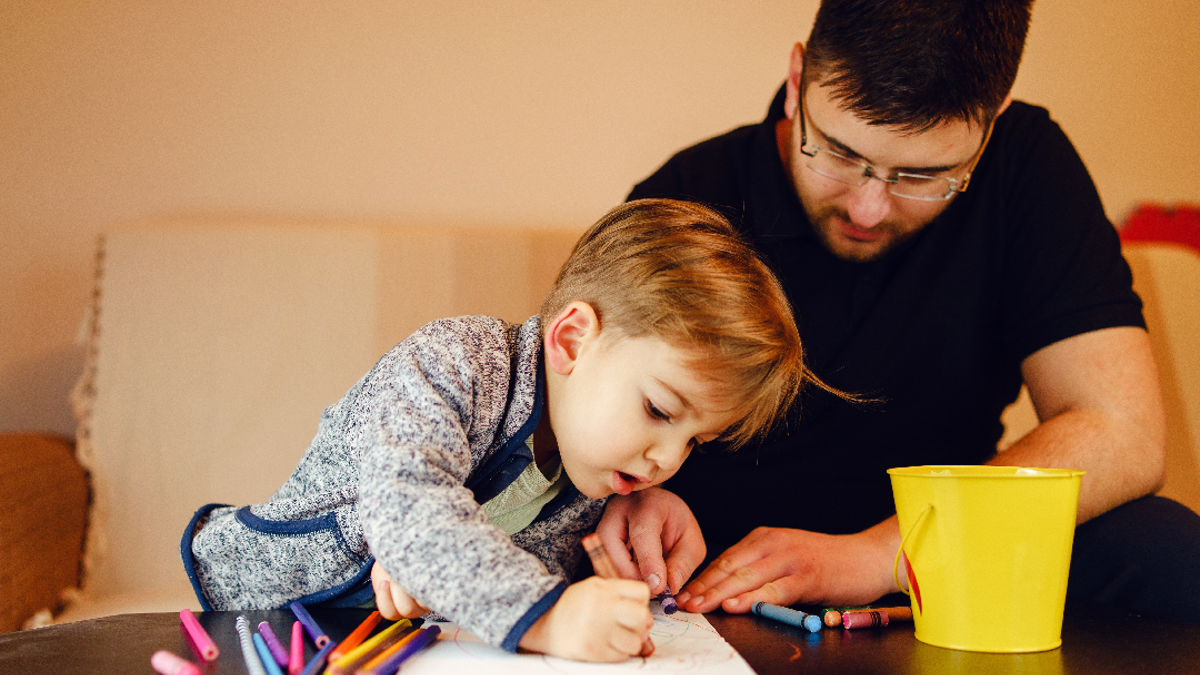
The main aim is for mealtimes to be as fun, calm and relaxed as possible.
Cook 1 meal for the family and try to eat all together. Let them know this is the meal you have cooked and if they don't want it they can come back to it later. It is an adult's role to put food on the table, but it is the child's choice whether they choose to eat it or not. Remember, if they are hungry, they will eat.
Make sure your child is sitting comfortably and able to reach their food and drink. Their feet should be able to rest on the floor or a stool. Read more about sitting position at a table.
Try to use positive language at mealtimes. If your child displays difficult behaviour like throwing food, try not to get too upset at them. Instead, talk to them about the behaviour you would like to see, such as keeping their food on the table.
How to introduce new foods
It's a good idea to start the process slowly. Before introducing new foods, try to gradually change foods that they like. It can help make it easier for them to try new foods. Some examples of small changes to foods they like include:
- using a food cutter to change the shape of the food
- adding a small amount of syrup or spices to change the taste
- changing texture from mashed up foods to soft finger foods
- trying different brands or new flavours
It can take time for your child to accept new foods. This process can be difficult for parents and carers. Try to stay positive and be proud of yourself.

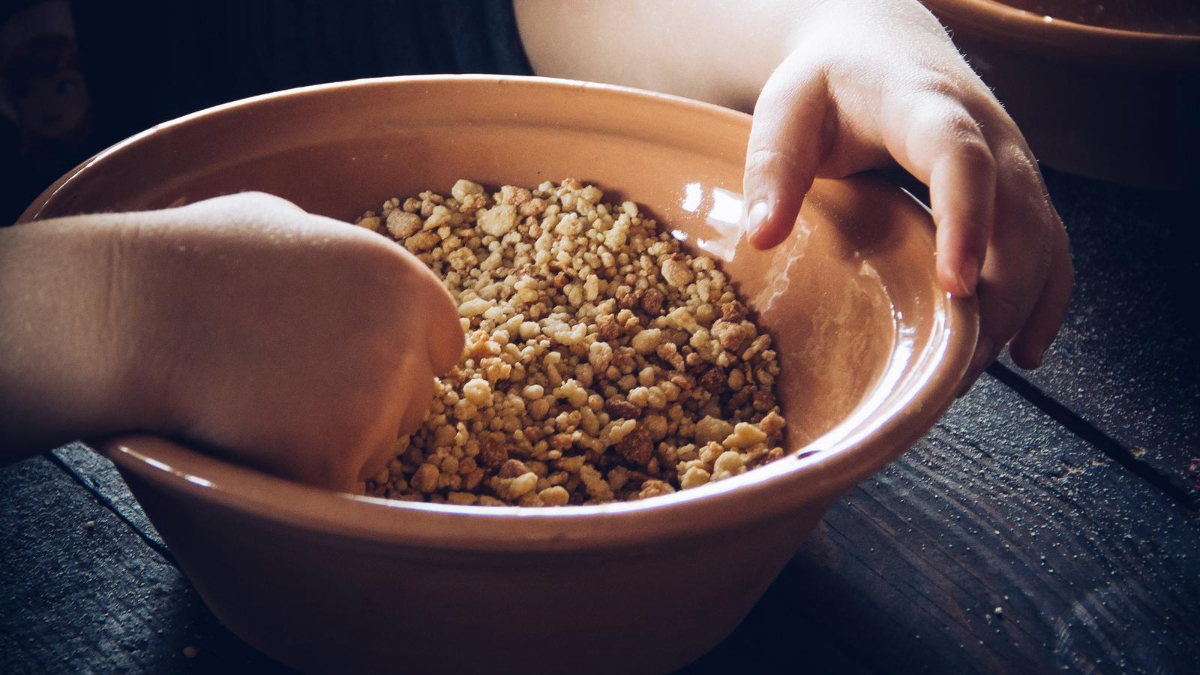
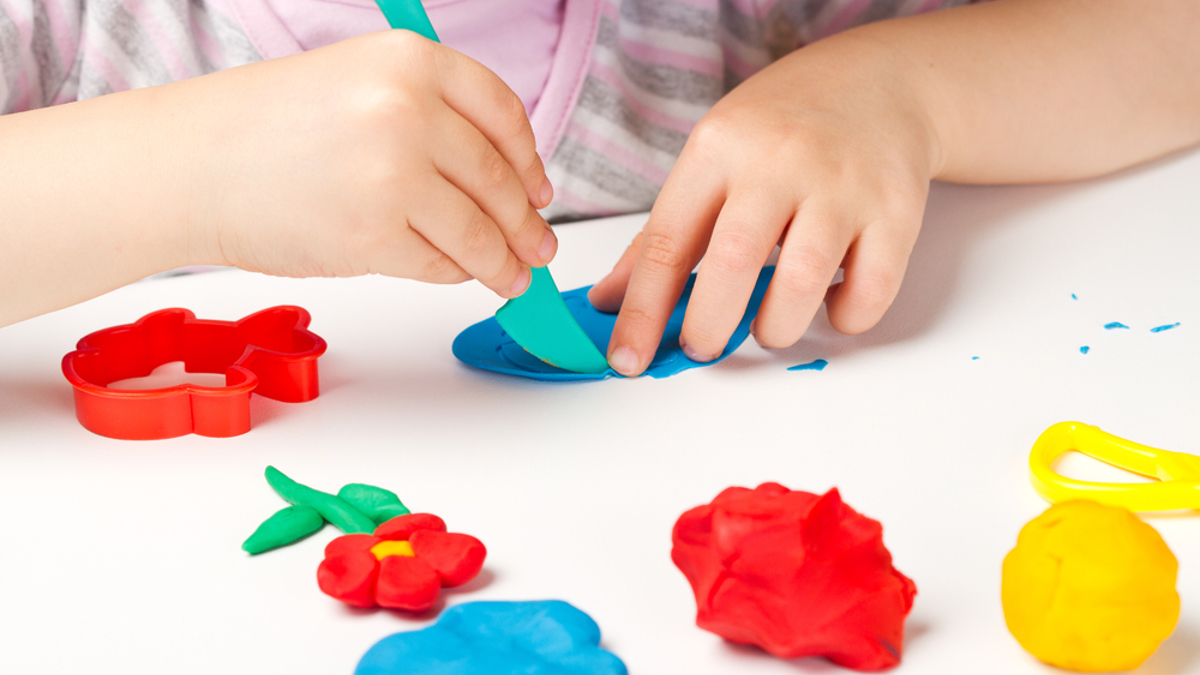
Messy play with food
Children often explore the world through touch, whether that is with their hands or mouth. Messy play with food helps them become familiar with different sensations and makes new foods less scary. Every child is different, and some might not like certain textures at the start. If they start to become distressed, allow them to leave the activity.
Fussy eating videos
Watch this series of videos about how messy play can help with selective eating.
Who can help
If you have any questions or concerns about your child's health, a health professional in our team will be able to offer advice and support.
You can Call Us on 0300 029 50 50 or Text Us on 07520 649887 to start a conversation.
Open Monday to Friday 9am to 5pm (excluding bank holidays).
