

Preparing for secondary school
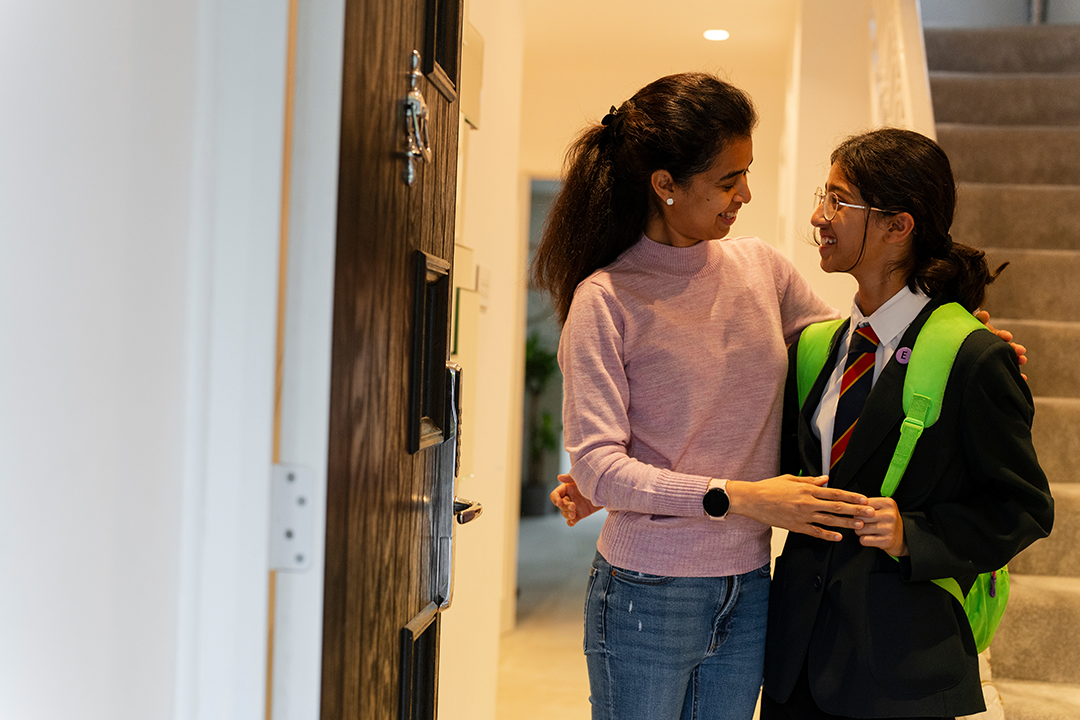
Schools work hard to prepare pupils for the transition from primary to the secondary phase of education. As well as school-based activities for pupils, as a parent you may have been included in some of the preparatory activities too. It is important that you attend any visits and events arranged by schools.
However, even with support from schools the transition from primary to secondary school can still be daunting for young people, and they may show different emotions from worry to excitement.
For example, your child might have worries about having to travel on a school bus for the first time, alongside the prospect of meeting new teachers and having to make new friends. They will also need to get used to different ways of learning and having to think about all the new and exciting opportunities they can take part in when at secondary school.
What you can do to help
Take time to talk to your child about the issues that they may be worried about, however small. Talk about what excites them and what they are really looking forward to.
It is natural for young people to have mixed feelings about their new school so it might take time for your child to settle as their emotions will be up and down - just keep talking and listening.
Alongside your child, read the online information provided on school websites and talk about the new uniform, making sure that all the required equipment is bought in time for the start of the new term, so your child is prepared and ready to learn.
Read more about child development and growing up.
Moving to secondary school will provide the opportunity for your child to make new friends and to develop important life skills on their own. These new skills and experiences will prepare them for adulthood.
Some of the new friends that your child will make will be lifelong - how many friends do you still have from your time at secondary school? Some friendships will last just a short time, and there will undoubtedly be fall outs that might upset your child.
Your child will meet lots of new people in their first few weeks at secondary school and it is not unusual for friendship groups to change at this stage. If you don’t think your child is settling in or you are worried about whether they are forming good relationships at school speak to your child’s form tutor or pastoral team.
If you are concerned that your child is being bullied, please contact the school as soon as possible. The school might not realise what is happening so it is important that you make them aware of the situation, and that appropriate actions can be taken at an early stage.
Remember that it is not uncommon for bullying to take place online (cyberbullying) so your child might continue to experience this even when not in the school environment. Be vigilant for changes in behaviour which concern you and encourage your child to talk honestly to you about their relationships with other children.
Read more information on behaviours, emotions and mental health.
You may question your child’s new friendship groups and have concerns about behaviours that you might feel are risky. Although at times it might not feel like it, your child still relies on you to look out for their wellbeing, so you need to continue to offer support and talk to them about expected boundaries and behaviours. Read more about setting healthy boundaries.
This is also a time in your child’s development when they may start to become more aware of activities which are either potentially harmful or against the law. This could be things like shoplifting, graffiti, use of substances (caffeine, nicotine, tobacco, alcohol or drugs), taking risks on-line or sending inappropriate images.
Whilst your child might not necessarily engage in these behaviours it is good to have an understanding of these topics and to start some open conversations around them. This will help to keep your child safe as they move into adolescence and help them understand how some behaviours can have legal consequences or impact on health and wellness.
Read more about drug misuse and alcohol abuse.
Who can help
If you have any concerns about your child being ready for secondary school you can speak to a health professional in our team will be able to offer advice and support.
You can Call Us on 0300 029 50 50 or Text Us on 07520 649887 to start a conversation.
Open Monday to Friday 9am to 5pm (excluding bank holidays).
Need more information?
Getting ready for change
Getting Ready for Change aims to support your child or young person and your family through key transition stages, or recognised times of change and child development
