


Car seat regulations
Only EU-approved car seats can be used in the UK. The approval is through the Economic Commission for Europe (ECE).
To be EU-approved, the car seat must comply with ECE R129 or ECE R44 regulations.
R129 - This is a height-based seat, also known as i-Size seats. The type of seat your baby or child can use depends on their height.
R44 - This is a weight-based seat. The type of seat your baby or child can use depends on their weight.
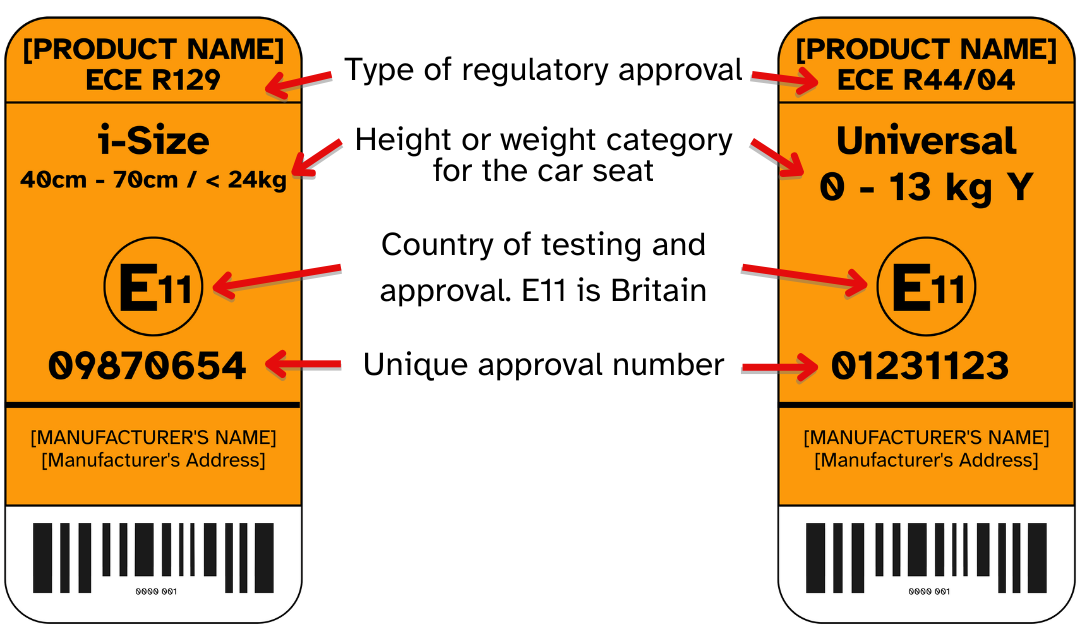
All car seats will have an orange label on the bottom of the seat. This orange label will show:
- type of approval (ECE R44 or ECE R129)
- height or weight category for the car seat
- the code of the country where it was tested and approved (E11 is Britain's code)
- unique approval number
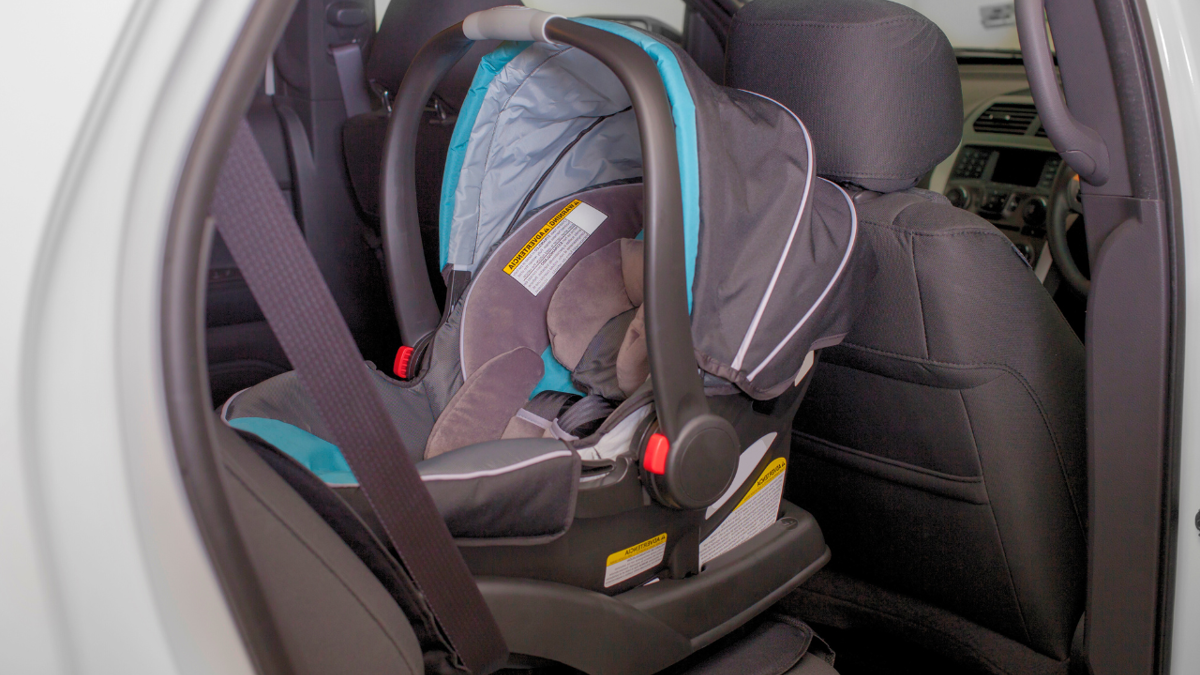
Car seats for babies
Choosing a car seat
Tips to help you choose a car seat:
- Choose a car seat that is right for your child’s height and weight.
- Make sure it is UK approved with an orange E11 mark label.
- Before buying a car seat, test it in your car. You can ask retail staff trained in child car seat safety.
- Make sure the car seat fits all the cars your child will travel in. Visit the Child Car Seat Fitting and Compatibility page on Child Car Seats.
- Avoid second-hand car seats. They could be faulty, damaged in an accident or have no instructions. Only accept second-hand car seats if you know the history, it has their instructions and it is not very old.
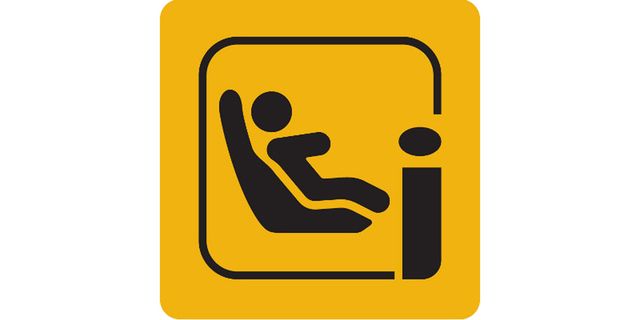
Height-based seats are also known as 'i-size' seats. The type of i-size seat your baby or child can use will depend on their height. These seats comply with R129.
In the crash tests, i-size seats are tested for front, rear and side impacts. i-size seats provide better protection from side impact crashes.
i-size seats are available in 3 sizes:
Up to 85cm - Rear-facing baby carrier or baby seat using a harness.
Up to 105cm - Rear-facing baby seat until your child is at 76cm, then becomes forward facing.
100cm to 150cm - Forward-facing child seat.
Some car seat brands will use the weight-based groups to categorise their i-size seats. Others will use the height categories.
i-size child car seats fit in cars that have ISOFIX fitting points, but you will still need to check if the seat is approved for your car. Contact your car manufacturer or the child seat manufacturer.
Visit the Child Car Seat Fitting and Compatibility page on Child Car Seats.
Weight-based seats
Weight-based seats are car seats that your baby or child can use depending on their weight.
Weight based groups
Weight-based seats are split into 5 groups. You may be able to choose from more than 1 type of seat in the group for your child's weight.
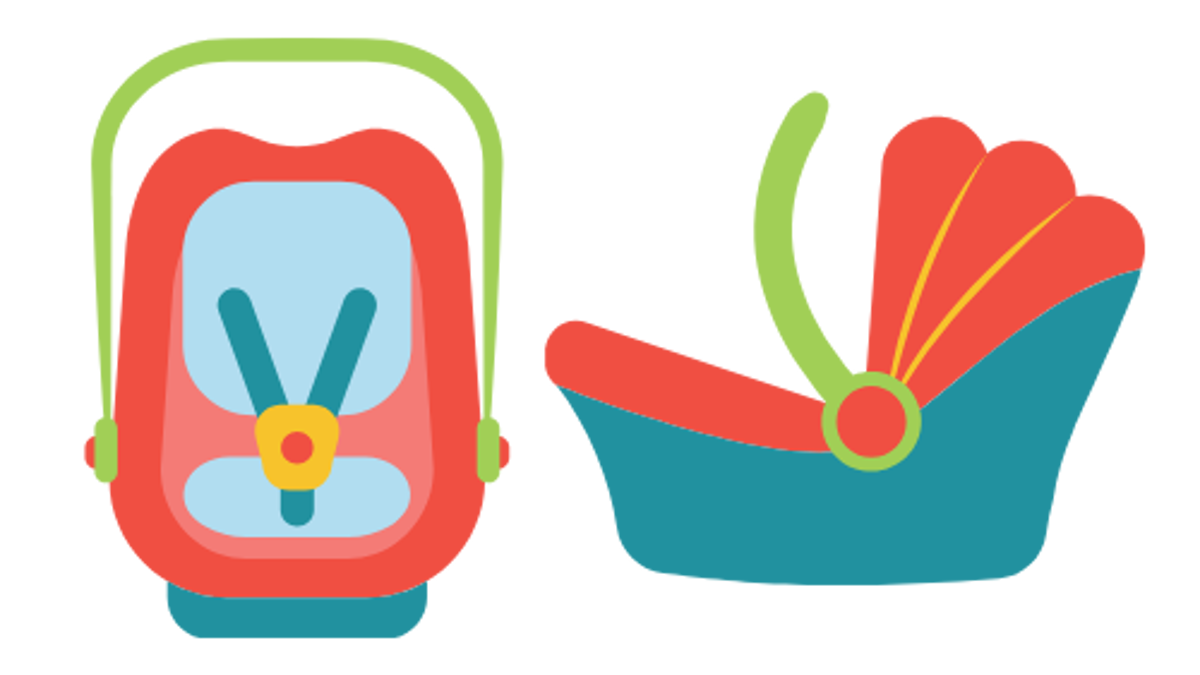
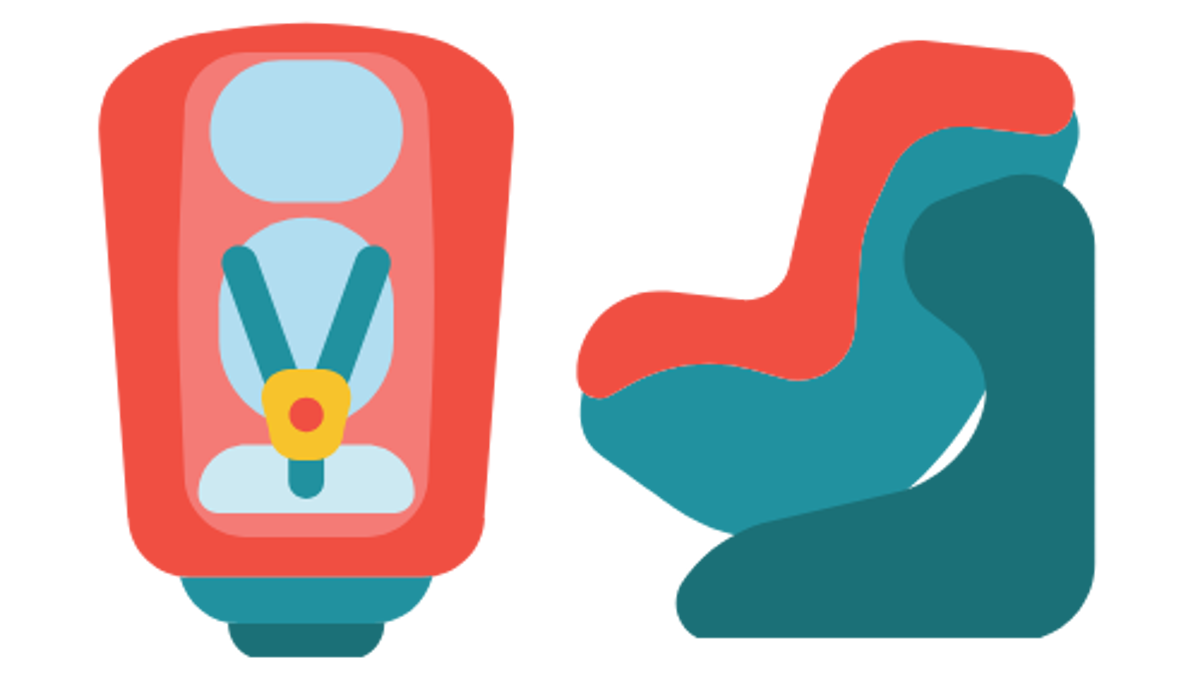
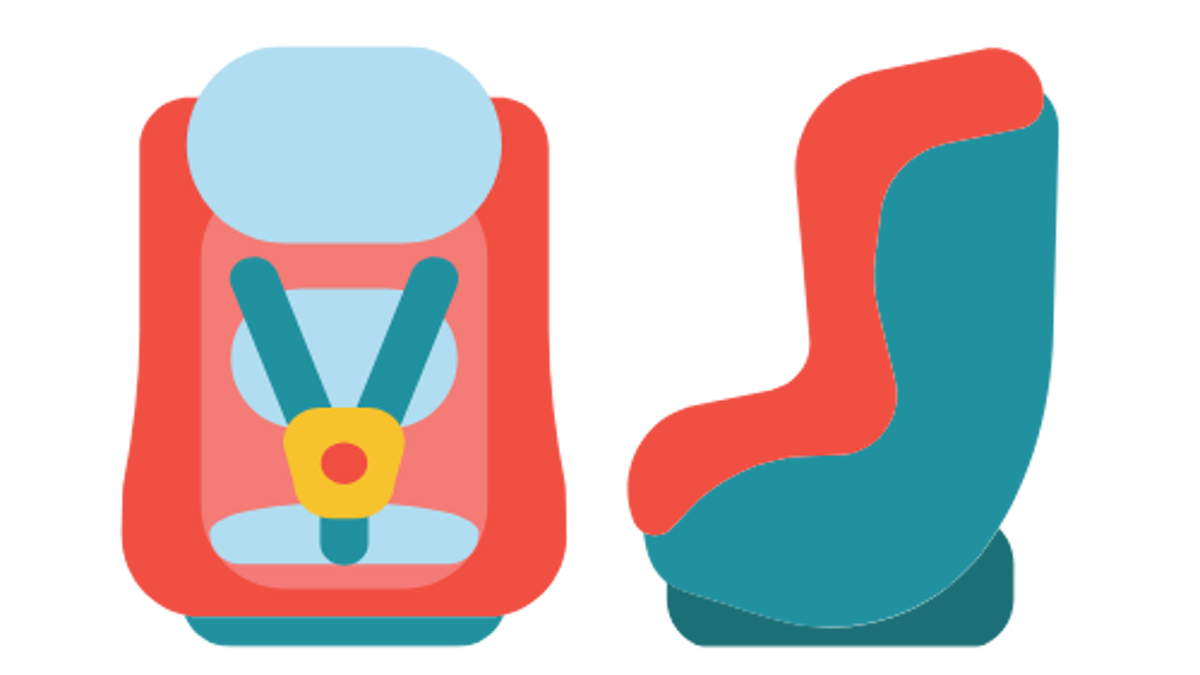
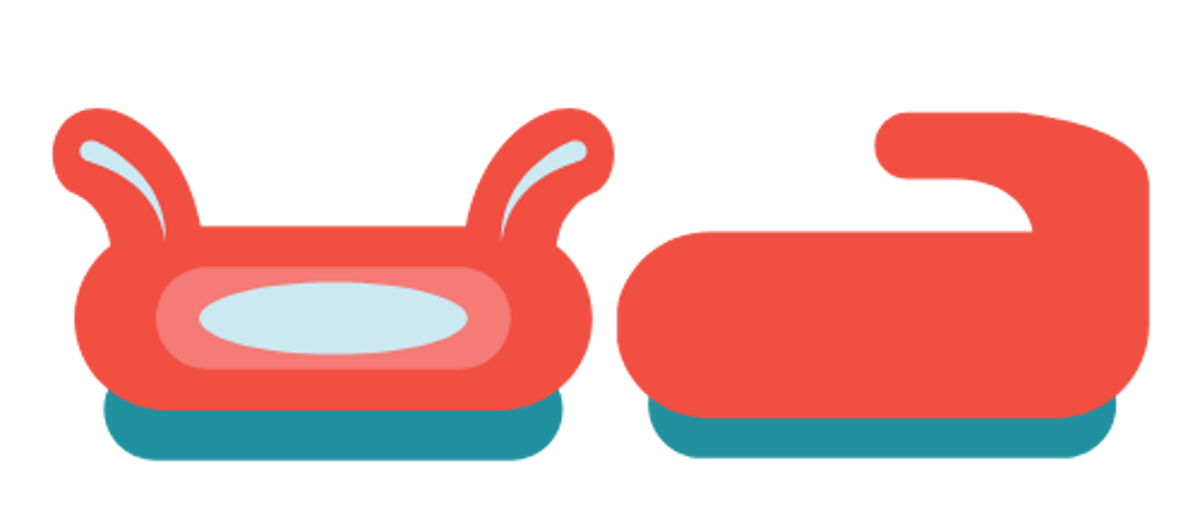
Combination seats
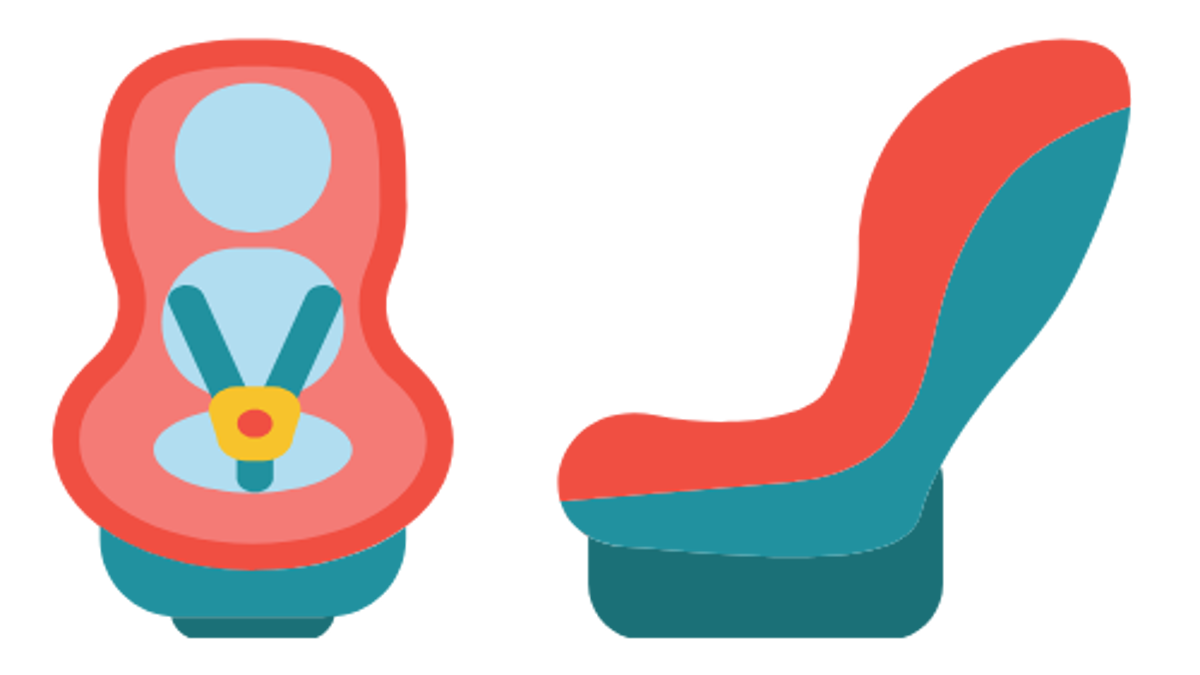
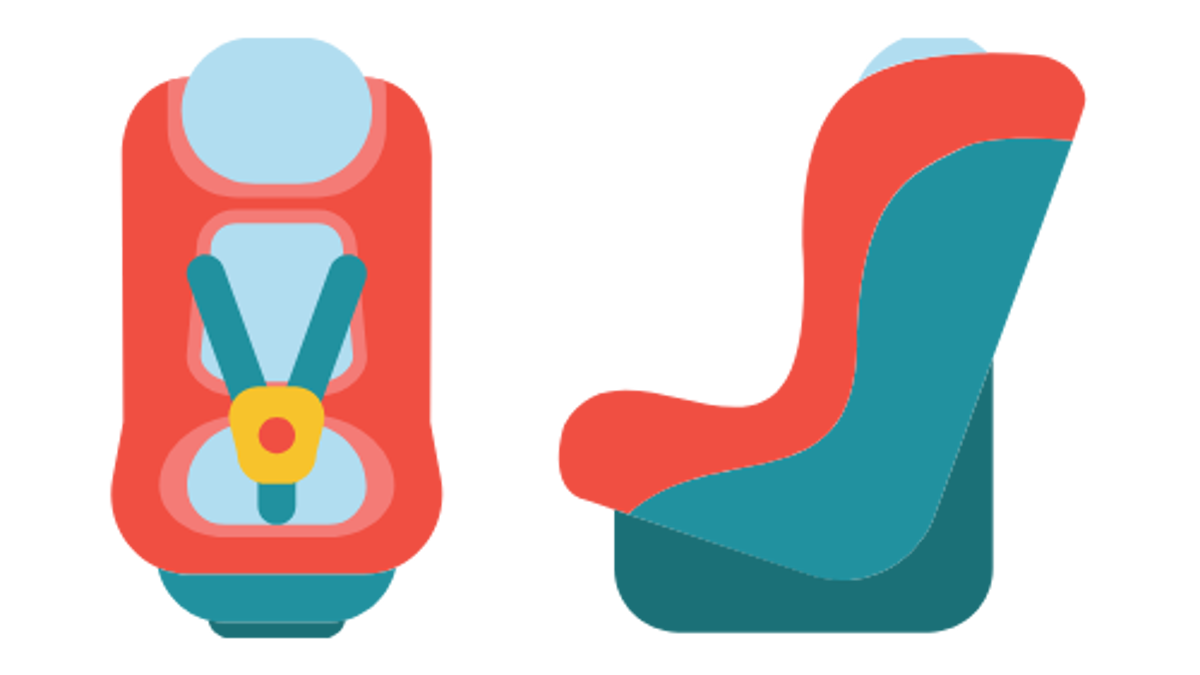
Some car seats are adjustable and will cover more than one group. As your child grows, you can adjust the seat to meet their needs. Combination seats can also be called extended seats or multi-group seats.

Booster seats
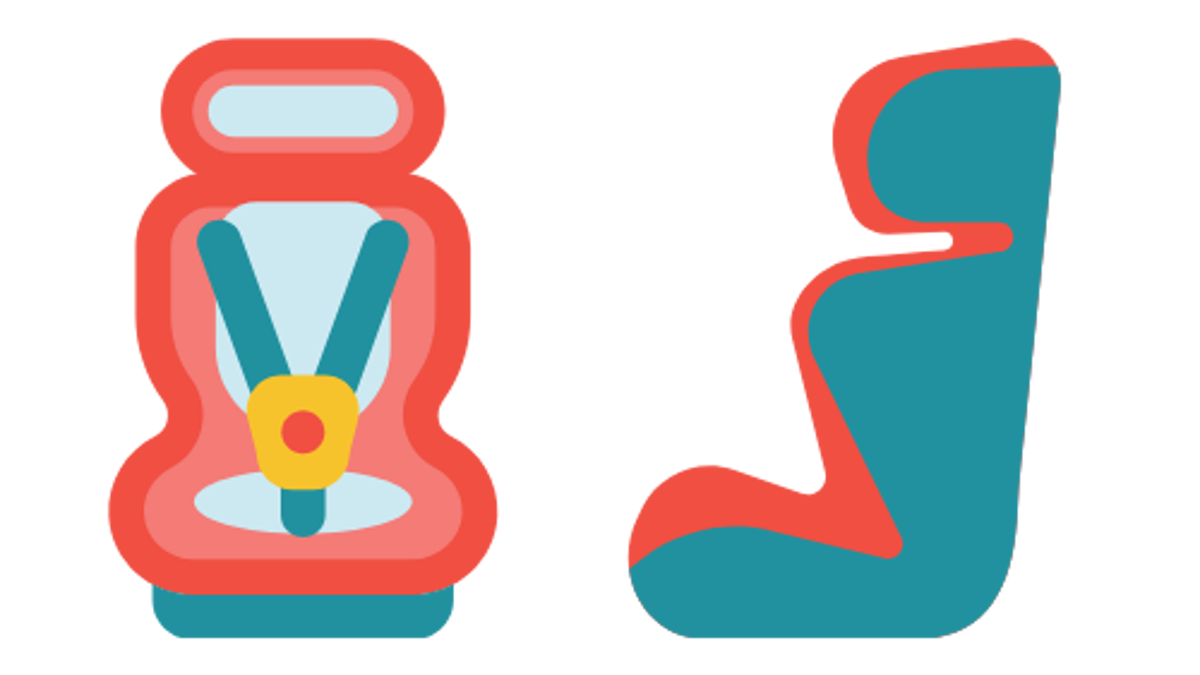
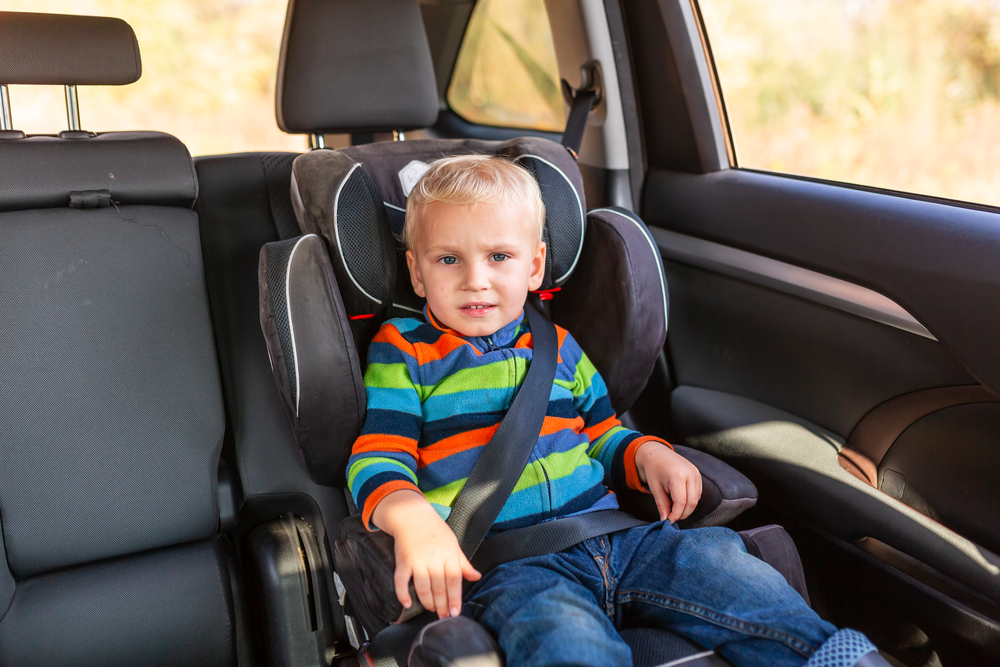
Booster seats will raise your child's seating position so that the car's seat belt fits them properly. This will reduce their likelihood of being injured in a car crash.
Booster seats have indicators or slots to show where the seatbelt should go. These indicators or slots are usually found at the shoulder height and waist height, often under the armrests.
Weight-based seats (R44) will have red indicators or slots. Height-based seats (R129 or i-size) will have green indicators or slots.
Who can help
If you have any questions or concerns about your baby or child’s car seat, a health professional in our team will be able to offer advice and support.
You can Call Us on 0300 029 50 50 or Text Us on 07520 649887 to start a conversation.
Open Monday to Friday 9am to 5pm (excluding bank holidays).
